Product Detail

Powerful features. Seamless performance. Real impact.

Intel iMacs (2006–2020)

The Intel iMacs (2006–2020) marked a new chapter in Apple’s desktop line, combining sleek all-in-one design with Intel processors for significantly faster performance, broader software compatibility, and years of refinement in display, thermal, and graphics technology.

Key Specifications:

  • Processor: Intel Core Duo → Core i9 (including Core 2 Duo, i5, i7, Xeon in iMac Pro)
  • Display Sizes: 20″, 21.5″, 24″, and 27″
  • RAM: 512MB (2006) up to 128GB DDR4 (iMac Pro, 2020)
  • Storage: HDD, Fusion Drive, or SSD (up to 8TB SSD in later models)
  • Graphics: Integrated Intel → discrete AMD Radeon → dedicated GPUs (iMac Pro: Radeon Pro Vega)
  • Ports:
  1. USB-A 2.0 / 3.0, Thunderbolt, SD card, Ethernet
  2. Thunderbolt 3 / USB-C (post-2017 models)
  • Operating System: Mac OS X 10.4.4 → macOS Catalina, Big Sur (last Intel versions)
  • Notable Variant: iMac Pro (2017–2021) — workstation-class Intel Xeon-powered model

Do You Know?

In 2006, Apple made a bold and strategic shift from PowerPC to Intel processors, enabling Macs to run faster, cooler, and for the first time support Windows through Boot Camp. The Intel iMacs ushered in a golden age of compatibility and performance, making Apple’s desktop lineup more appealing to mainstream users and professionals alike.
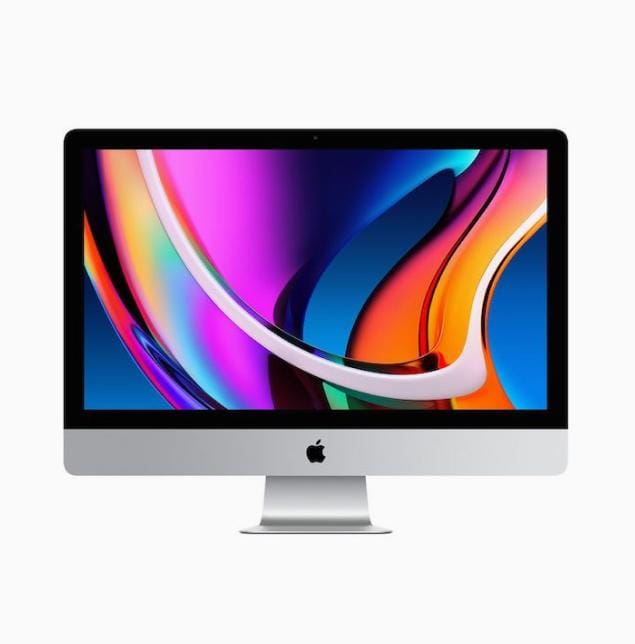
Intel iMacs (2006–2020)

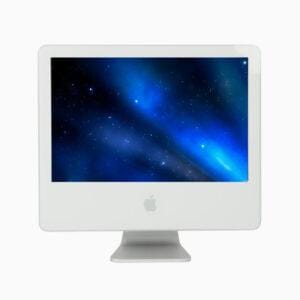
Spanning from 2006 to 2020, the Intel-based iMacs represented Apple’s longest-running hardware platform. The switch to Intel began with the Core Duo iMac in January 2006, which instantly delivered superior performance and energy efficiency compared to the outgoing PowerPC G5. It also introduced Boot Camp, allowing users to natively run Windows on a Mac for the first time  a major step in enterprise and creative environments.Across the Intel years, the iMac’s design saw multiple refinements:
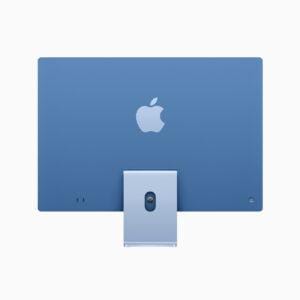
  • In 2007, Apple replaced the plastic shell with aluminum and glass.
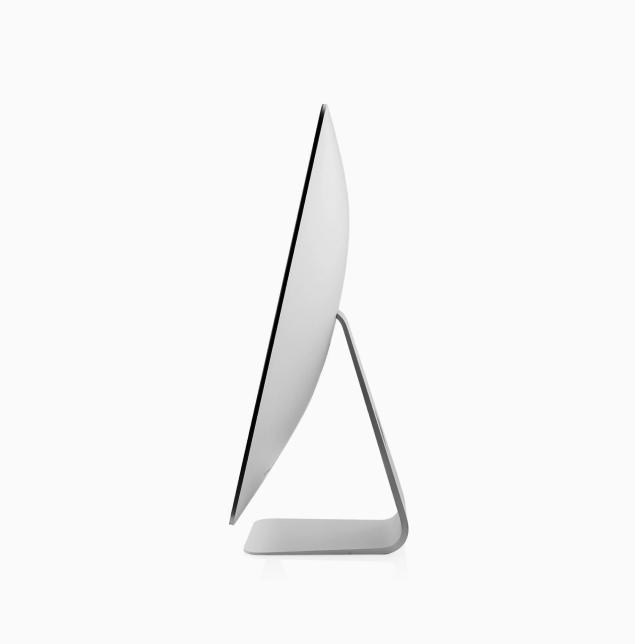
  • By 2012, the design became significantly thinner, with a laminated display.
  • In 2014, the 27″ iMac got a Retina 5K display, delivering stunning color and clarity for photography and video.
  • Later models added True Tone, P3 wide color, and ultra-fast SSD storage. 
In 2017, Apple launched the iMac Pro, aimed at professionals needing serious power with Intel Xeon CPUs, ECC memory, and Vega GPUs, all in the iMac’s familiar form factor.While Apple announced its move to Apple Silicon in 2020, the Intel iMacs remained supported and loved, especially for tasks involving legacy software or bootable OS flexibility. They offered a balance of style, performance, and versatility across every tier from casual to creative pro.

Key Features

  • Intel Architecture: Full Intel CPU support for modern performance and Windows compatibility
  • All-in-One Design: Sleek enclosure with built-in display, speakers, and I/O
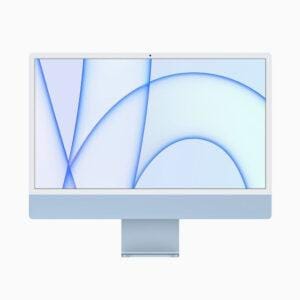
  • Retina Displays: 4K and 5K resolutions with stunning color accuracy and clarity
  • Storage Flexibility: Fusion Drives, SSDs, and large HDD options for varying needs
  • Versatile Connectivity: USB-A, USB-C/Thunderbolt 3, Ethernet, SD card reader
  • iMac Pro Option: Workstation-class power in an all-in-one form
  • macOS Support: Runs Mac OS X Tiger through macOS Big Sur (Intel builds)
  • Creative Workhorse: Ideal for photo, video, music, and 3D content creation
  • Long Lifecycle: Supported by software and accessories for over a decade 

Contact us

We’re Here to Help

Have a question, need support, or just want to chat? Our team is ready to assist—reach out anytime, and we’ll make sure you’re taken care of..